Looking to contribute to protecting the ocean ecosystem?
The Full Ocean Nature Risk Lifecycle, In-House


01. Assess
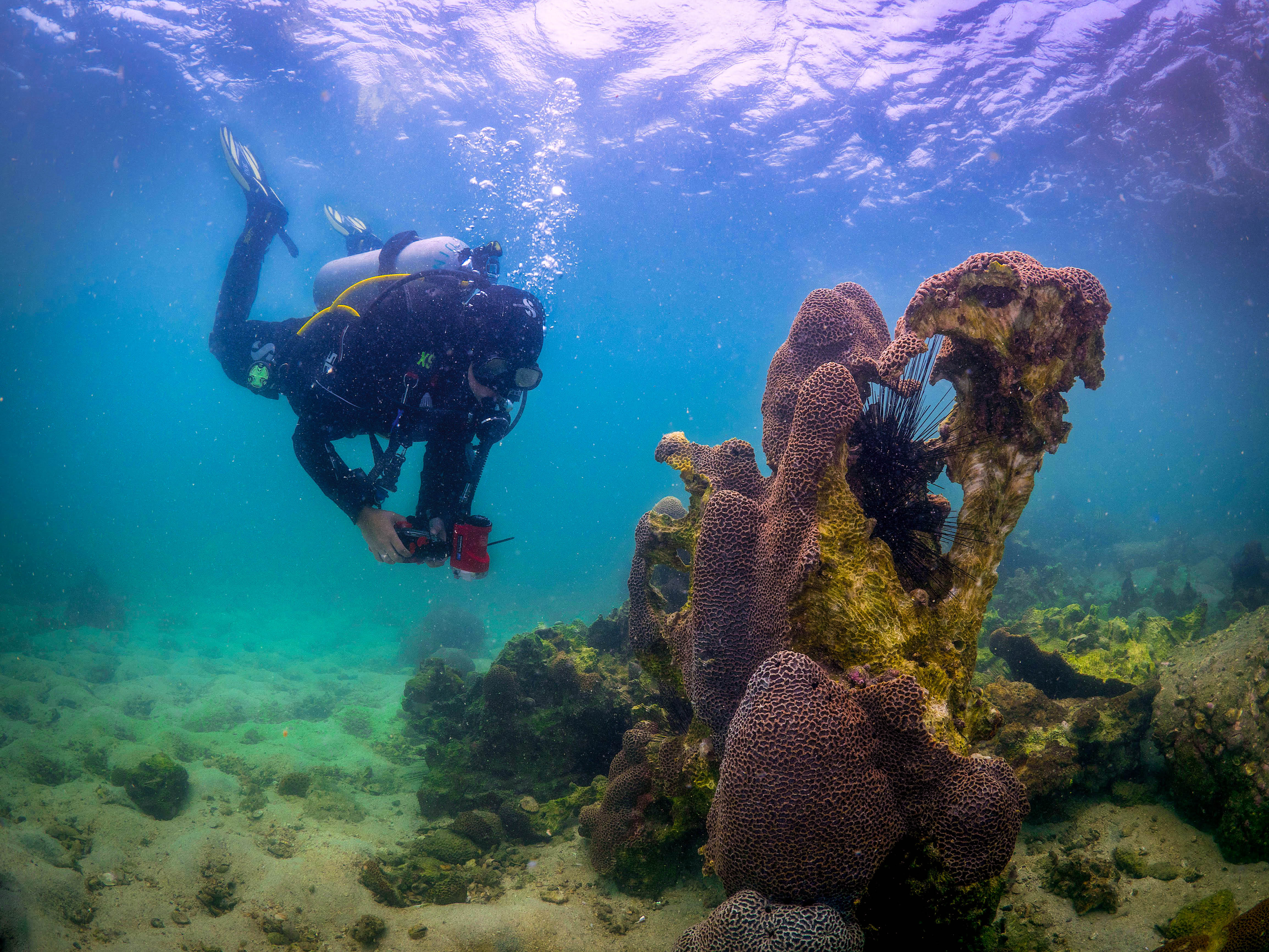
Before any intervention, we assess what exists, what has been lost, and what can be sustained. Our assessment combines satellite analysis, habitat modelling, and eDNA to build a complete picture of your site's marine ecology.
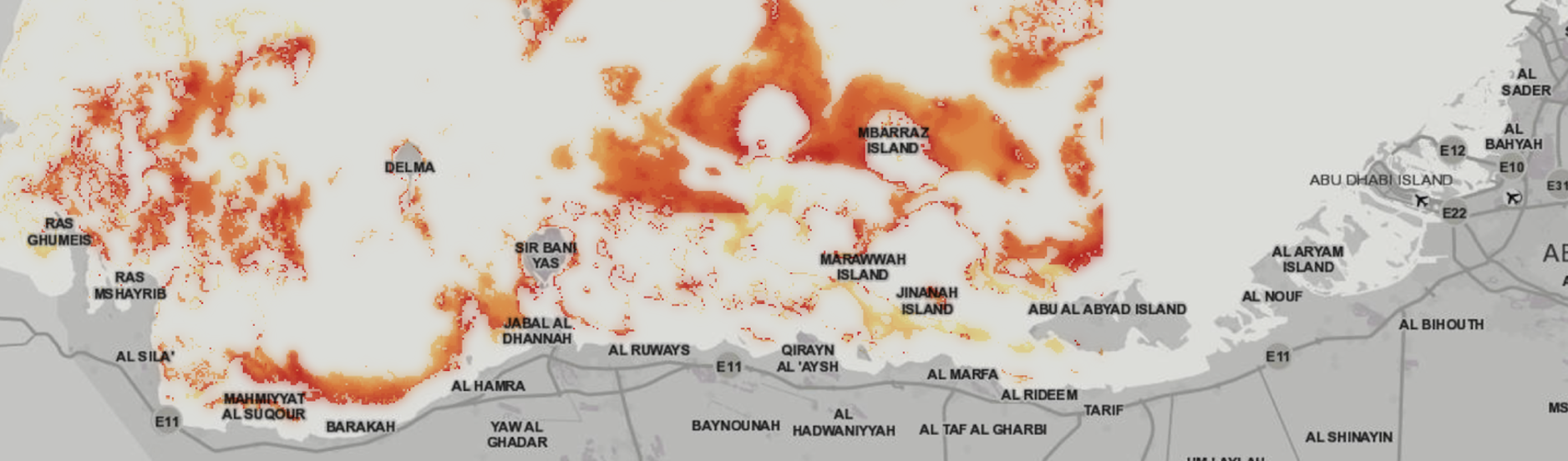
Where marine life existed before degradation. Baseline reference for measuring net gain.
Species distribution, water chemistry, and present-day conditions mapped at your asset locations.
Thermal resilience analysis — which sites hold over a 10-year investment horizon.
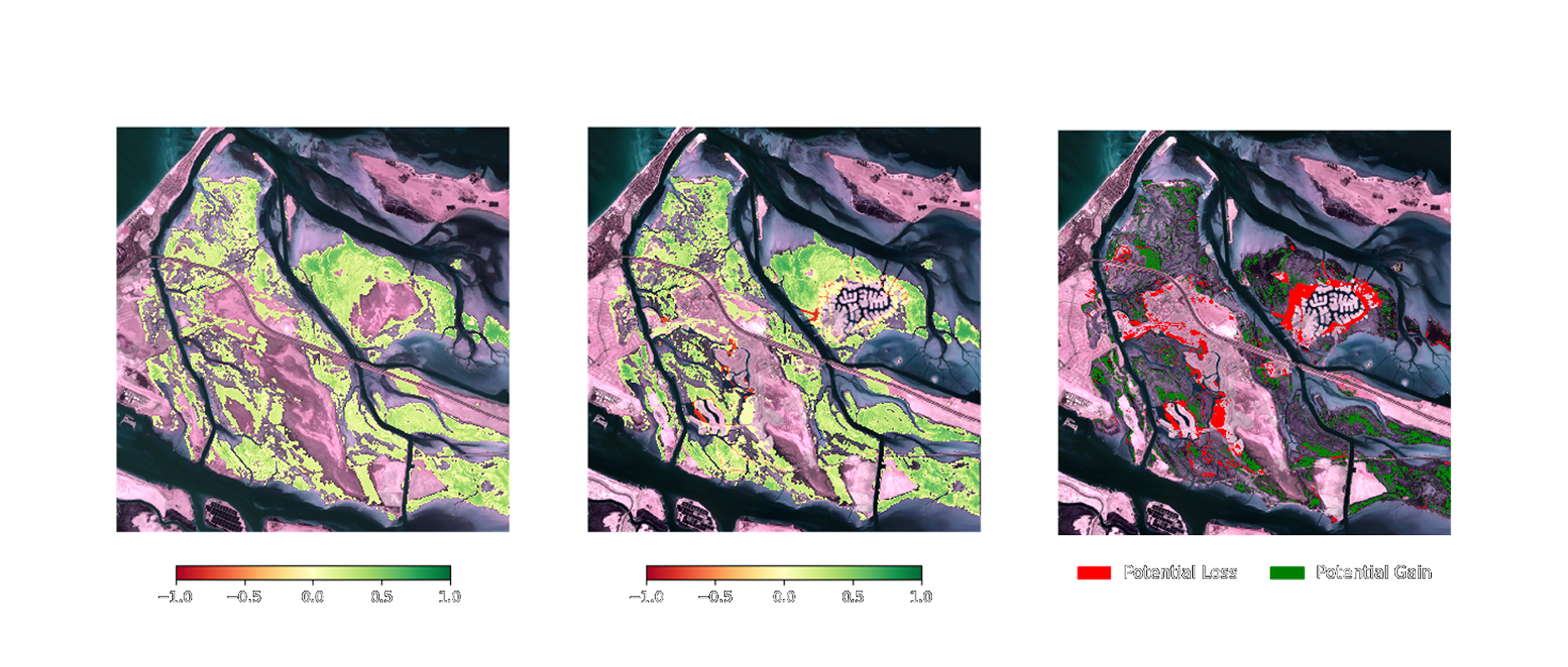
Identifying which areas hold genuine restoration potential based on multi-layered analysis.
· GIS & satellite imagery analysis
· NDVI and habitat mapping
· eDNA analysis
· Ground truthing
· Baseline report
· Habitat condition assessment
· Ecological constraints and opportunities summary
· Tender
· Concept Design
· EIA Scoping
· Detailed Design
02. Restore
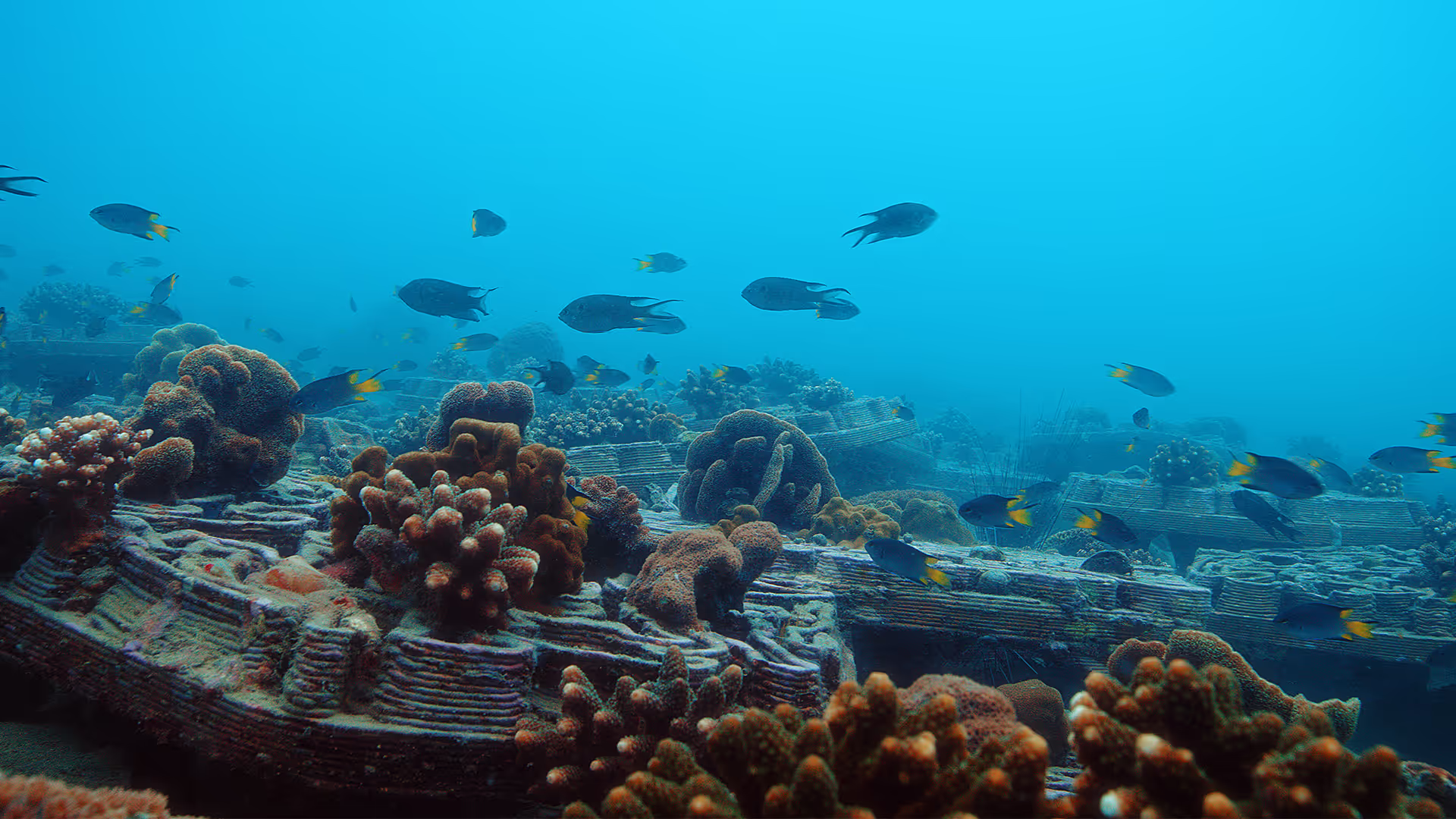
Once nature risk is identified and mapped, we deploy targeted mitigation solutions across three distinct habitat categories, each designed to deliver measurable biodiversity improvement aligned with regulatory net gain requirements.
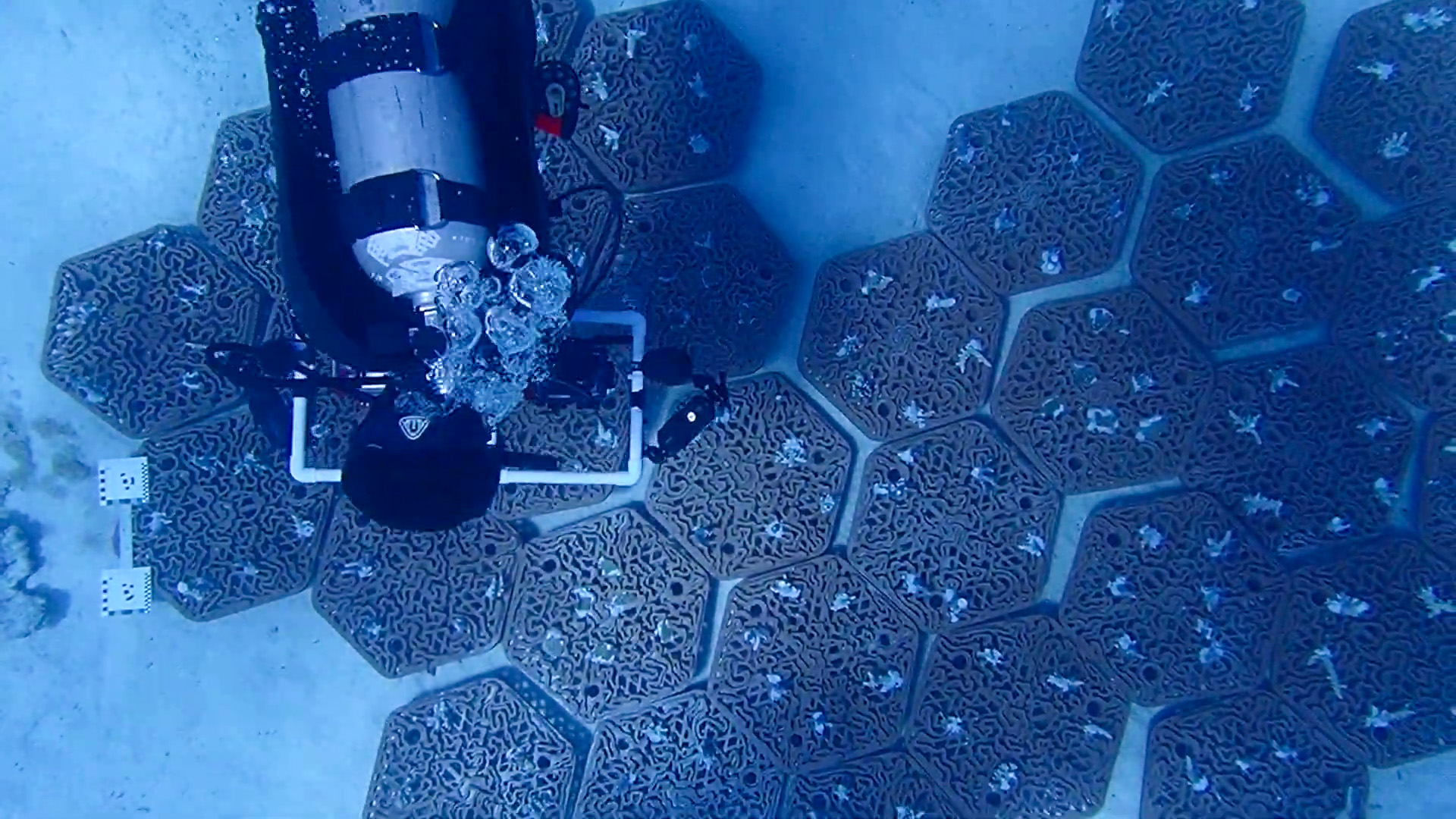
Functional substrate for corals across various seabed types, made from pH-neutral terracotta clay. Particularly effective at locations with sedimentation stress.

Customisable panel integration for marine infrastructure, improving ecological performance of existing and new seawall structures without additional footprint.

Site-specific restoration and protection strategies for the most carbon-dense and biodiversity-rich coastal habitats.

2.1 Restore - Marine Habitats
Our Reef Tiles serve as a functional substrate for corals across various seabed types, with particularly high efficacy at locations suffering from sedimentation stress. A nature-based solution made from pH-neutral terracotta clay, requiring no heavy machinery.
· Coral planning or translocation methodology
· Restoration design
· No heavy machinery required
· Restoration plan and deployment report
· Implementation support
· Species colonisation data
· Coral survivorship tracking over project lifetime
Project delivery and post-construction
Higher than conventional methods
Biodiversity enhancement
after 6 months
Corals saved worldwide
Average increase in coral growth during the first 3 years post-deployment
Visual survey + photogrammetry · 3 years
Increase in fish abundance compared to nearby unrestored seabed within 6 months
Visual survey, bioindicator species · 6 months
2.2 Restore - Coastal Infrastructure
Customisable Eco SeaWall Panel integration for marine infrastructure, designed to improve the ecological performance of existing and new seawall structures without requiring additional footprint. Developed in partnership with AD Ports Group, Abu Dhabi.
· Coral planning/relocation methodology
· Restoration design
· No heavy machinery required
· Restoration plan and deployment report
· Implementation support
· Species colonisation data
· Coral survivorship tracking over project lifetime
Project delivery and post-construction
Temperature reduction across Abu Dhabi sites
Increased biodiversity uplift
2.3 Restore - Intertidal Habitats
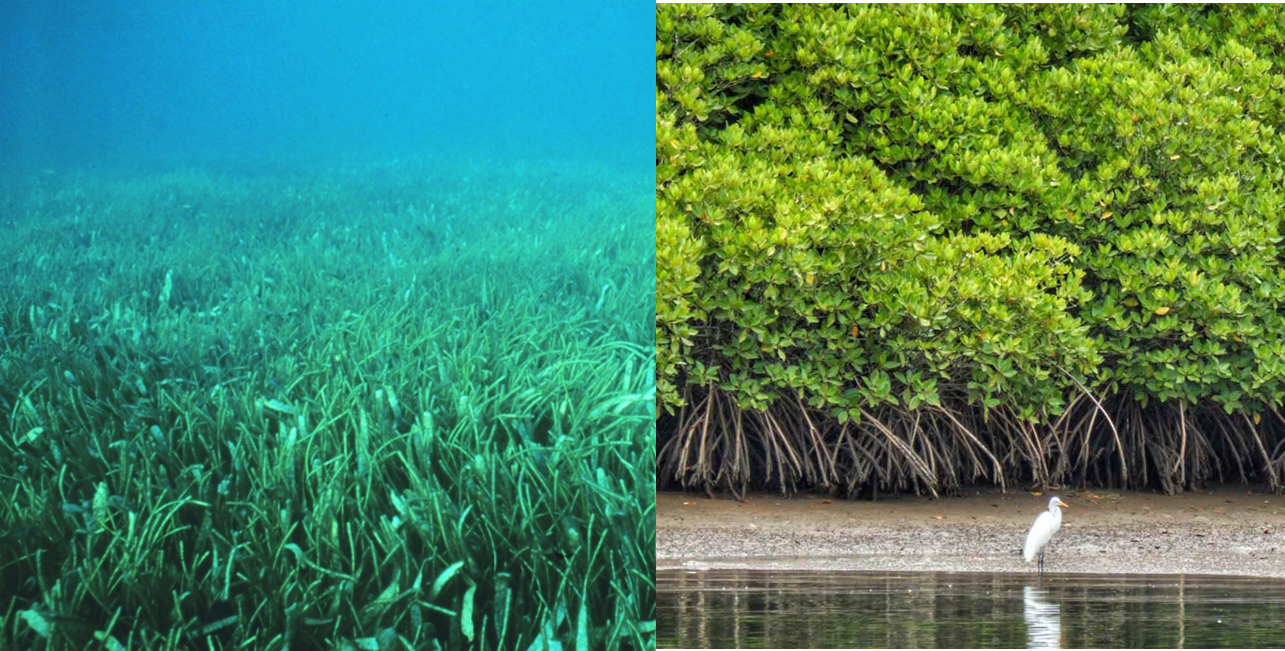
Site-specific restoration and protection strategies addressing both active restoration and the preservation of existing intertidal habitat under development pressure. Mangroves and seagrass beds are among the most carbon-dense and biodiversity-rich coastal habitats.
· Habitat suitability screening
· NDVI-based vegetation analysis
· Restoration strategy development
· EIA integration
· Site suitability assessment
· Restoration or protection concept
· Implementation support
· Regulatory-ready documentation
Design, Tender and Construction
03. Monitor
Once mitigation products are deployed, sites enter the monitoring subscription period. Our team delivers ongoing ecological data through three complementary methods.
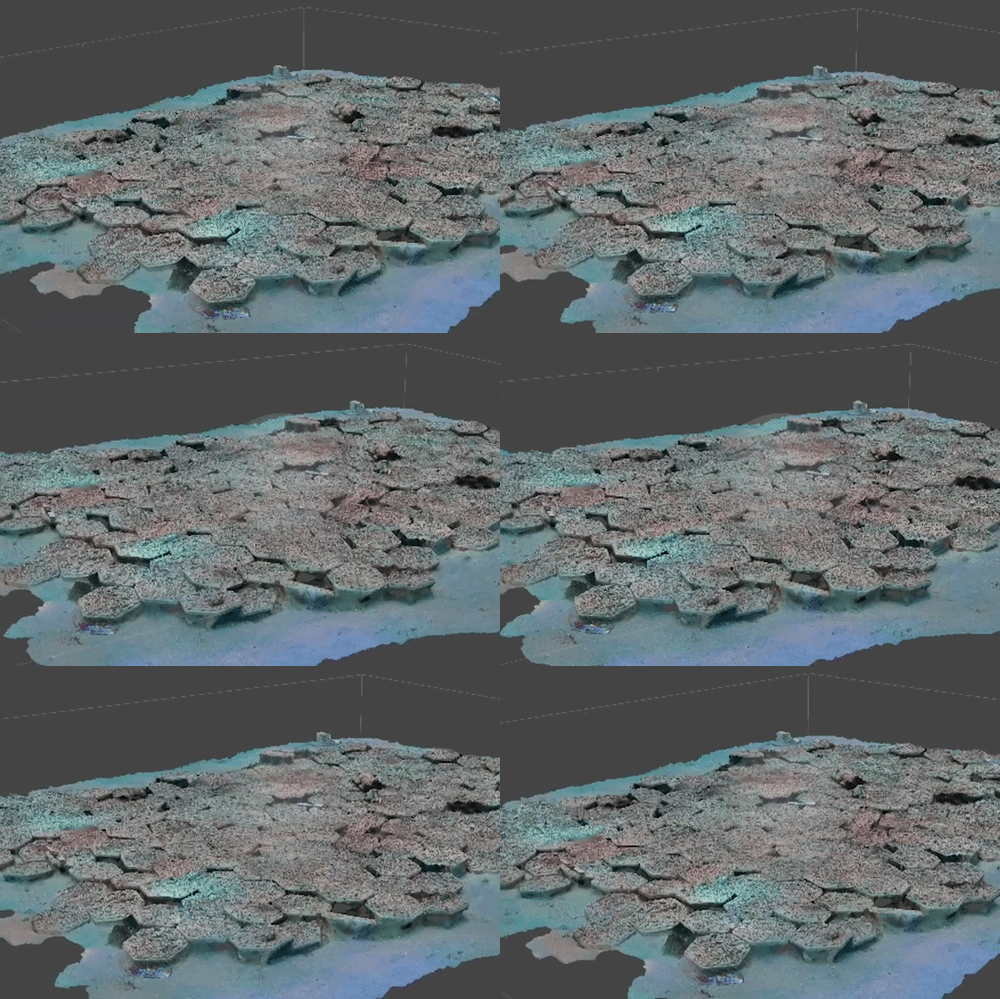
Thousands of images stitched into a georeferenced 3D Model
Computer vision identifies coral coverage, health and species composition
High Resolution Benthic Imagery (Photogrammetry)
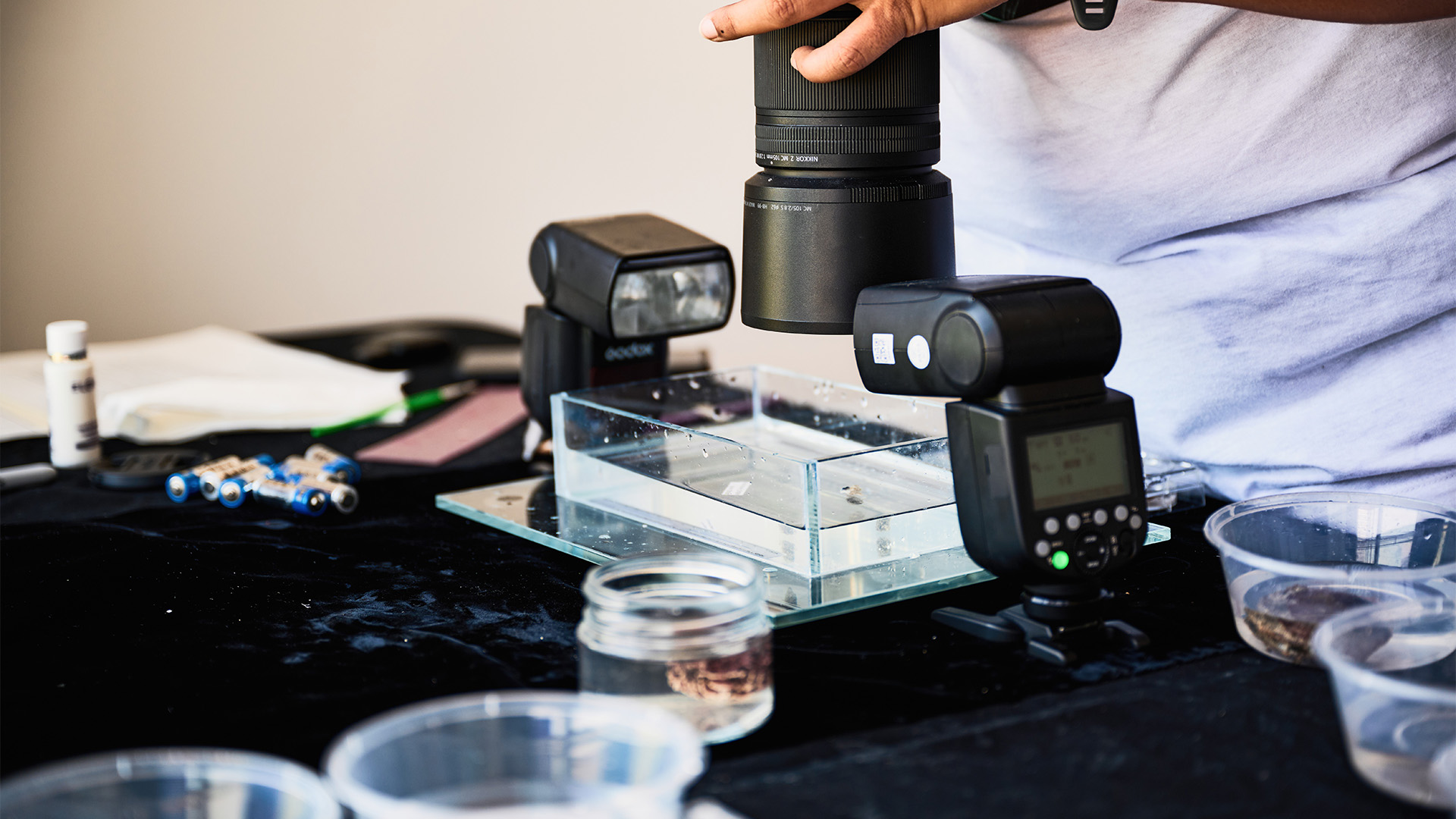
Water sample collected on-site
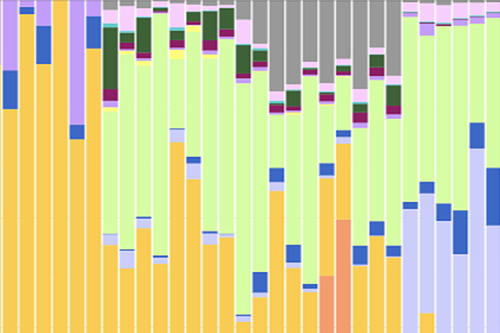
Lab analysis via environmental DNA metabarcoding
eDNA Metabarcoding Biodiversity Quantification
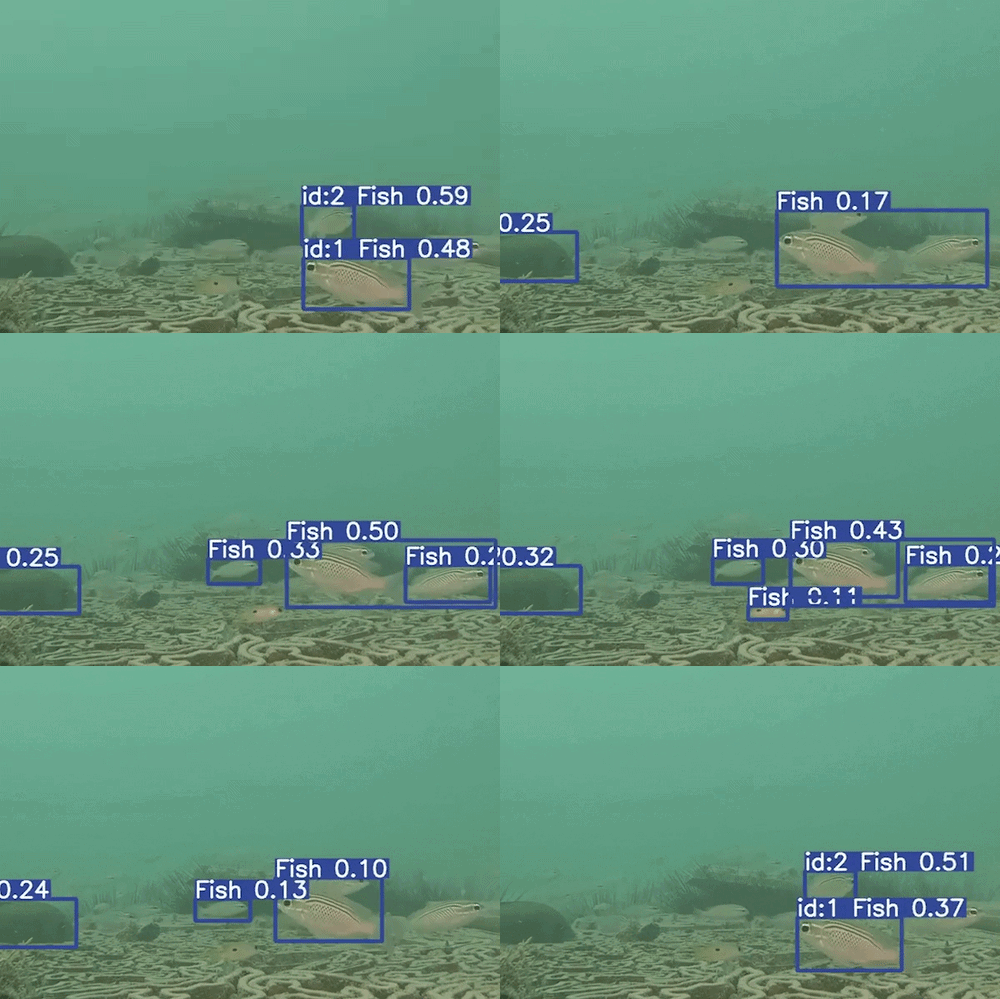
Enhanced marine species identification system
Fish abundance data, bioindication species tracking
Computer Vision-Powered Identification System
04. Report
All monitoring data feeds into Archireef's reporting infrastructure, designed to meet the requirements of major nature risk frameworks.
Live performance tracking with biodiversity metrics, trend analysis and baseline comparisons
TNFD-aligned, IFC PS6-compliant, EU CSRD-ready documentation
Clean documentation structured for proactive engagement
with permitting authorities
Accessible summaries for board-level, investor, and public disclosure.

